
Your kid's recovery game is probably trash, and it's costing them more than just performance: it's costing them recruitment opportunities. While you're spending thousands on camps and showcases, you're missing the low-hanging fruit that actually separates elite prospects from the pack.
Smart parents aren't just tracking stats anymore. They're weaponizing sleep data, nutrition logs, and recovery metrics to build bulletproof recruitment profiles. Here's what you're doing wrong and how to fix it before your competition figures it out.
Mistake #1: Playing Doctor Instead of Hiring One
Your teenager rolls their ankle, and what do you do? Ice, rest, maybe some ibuprofen, and hope it sorts itself out. Wrong move. Dead wrong.
The brutal truth: Self-managing injuries is the fastest way to create recurring problems that'll haunt your kid's entire career. College coaches aren't interested in players with a history of "mysterious" ankle issues or that knee that "acts up sometimes."
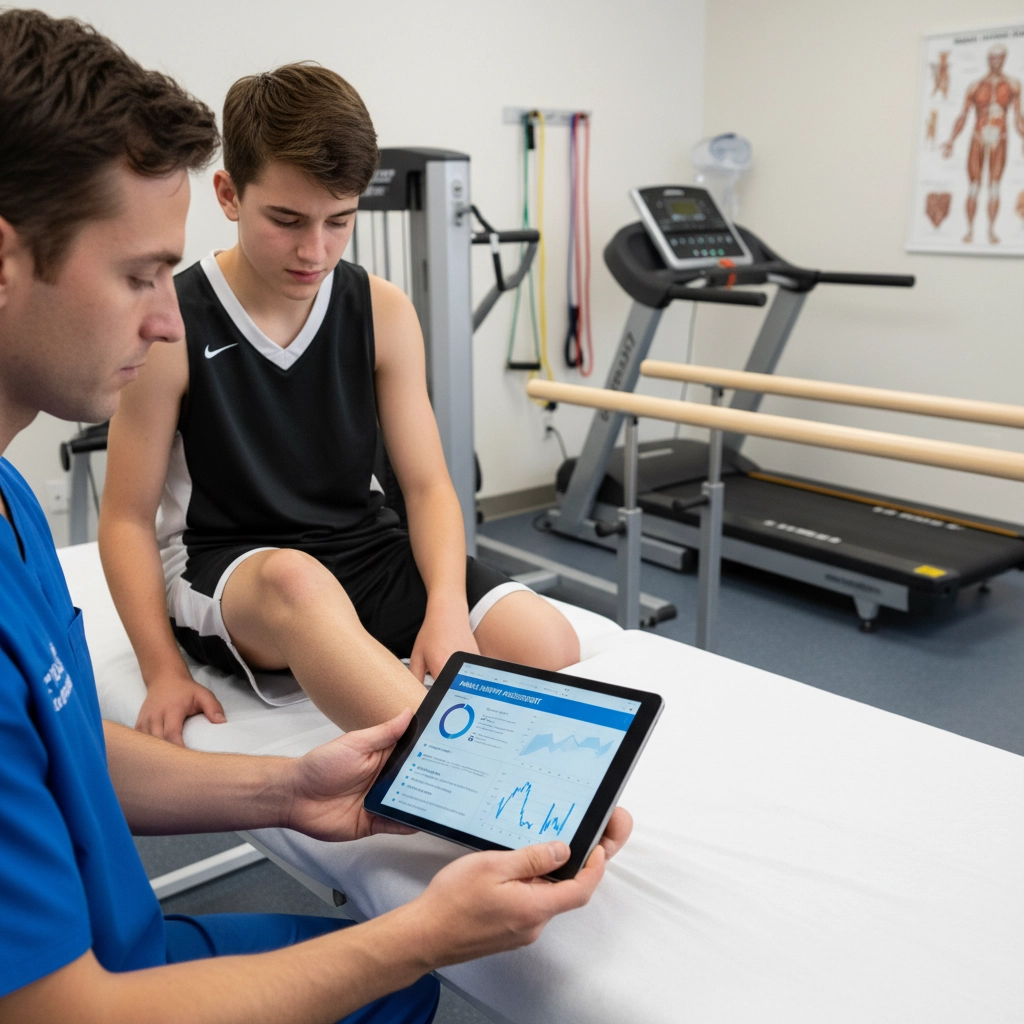
What winning parents do: They get their athlete to a sports physical therapist within 48 hours. Not next week. Not when it "gets worse." Immediately. Document everything: the injury, the treatment plan, the recovery timeline. This creates a paper trail that shows coaches your kid gets professional-grade care.
Pro tip: Keep a digital folder of all medical clearances, PT reports, and recovery documentation. When coaches ask about injury history during recruitment, you'll have receipts that prove your athlete takes their body seriously.
Mistake #2: Rushing Back Like an Impatient Amateur
Your kid feels 60% better and wants to jump straight back into full-speed scrimmages. You let them because "they know their body best." Newsflash: teenagers don't know jack about progressive rehabilitation.
The reality check: Proper rehab follows a methodical progression: basic stability work, then mobility, then strength, then sport-specific movements. Skip steps and you're setting up your athlete for a spectacular re-injury right when scouts are watching.
What elite programs do: They document every phase of recovery with measurable benchmarks. Can your athlete balance on one foot for 30 seconds? Can they hop without pain? Can they cut at 75% speed before attempting 100%?
Create video evidence of your kid's disciplined approach to comeback training. Coaches want to see athletes who understand long-term thinking, not hot-headed competitors who gamble with their bodies.
Mistake #3: Treating Sleep Like a Suggestion
Your kid stays up until 1 AM gaming, scrolls TikTok until 2 AM, then drags themselves to 6 AM practice running on five hours of sleep. Then you wonder why their reaction time sucks during games.
The science is crystal clear: One night of poor sleep creates a recovery debt that impacts decision-making, coordination, and injury risk. Teen athletes need 8-10 hours minimum, not "whatever they can get."
How data-savvy parents win: Start tracking your athlete's sleep with a smartwatch or phone app. Document their average sleep duration during competition seasons. When you can show a college coach that your kid consistently logs 8.5+ hours during tournaments, you're proving they have the discipline for elite performance.
Set non-negotiable boundaries: phones out of bedrooms at 10 PM, consistent sleep schedules even on weekends, and blackout curtains for quality rest. Your kid might resist, but their performance metrics won't lie.
Mistake #4: Fueling Like a Garbage Disposal
Tournament weekends mean fast food between games, energy drinks for "fuel," and whatever's convenient from the concession stand. Your athlete's body becomes a chemistry experiment of processed junk when they need premium fuel most.
The wake-up call: Nutrition directly impacts recovery speed, energy levels, and mental clarity. College scouts notice which players maintain energy in the fourth quarter and which ones fade.
Strategic nutrition tracking: Smart parents log their athlete's meals and hydration during competition periods. Use a simple app to document what your kid eats before, during, and after games. Track water intake, meal timing, and energy levels throughout tournaments.
This data tells a recruitment story. When coaches ask about your athlete's preparation habits, you can pull out nutrition logs showing consistent hydration, balanced meals, and strategic fueling strategies. It separates your kid from players whose parents just hope for the best.
Pack home-prepared meals for tournament travel, establish hydration goals (aim for clear or light yellow urine), and document everything. College programs want athletes who understand that performance starts with what they put in their bodies.
Mistake #5: Building an Incomplete Support Team
Your kid's school has a decent coach and maybe a part-time trainer. That's it. Meanwhile, elite prospects have massage therapists, strength coaches, sports psychologists, and nutrition specialists. Guess who performs better and stays healthier?
The competitive advantage: Professional support isn't just about treating problems: it's about preventing them and optimizing performance. Elite programs notice which athletes have access to comprehensive care.
Investment strategy: You don't need to hire a full staff, but identify the gaps in your athlete's support system. Does their school have a massage therapist? Sports psychologist? Qualified strength coach? Fill the most critical gaps, especially during recruitment years.
Document your athlete's access to professional support in their recruitment profile. Coaches want to know that promising recruits won't break down under college-level training demands.
Mistake #6: Treating Injuries Like Isolated Incidents
Your kid's knee hurts, so you focus entirely on the knee. Ignore the tight hip flexors, weak glutes, and ankle mobility issues that actually caused the knee problem. The knee gets "better," then mysteriously starts hurting again.
The system approach: Elite rehabilitation addresses the entire kinetic chain. A knee injury might stem from ankle stiffness, hip weakness, or postural imbalances. Treat only the symptom and you guarantee recurring problems.
Comprehensive documentation: Work with professionals who assess and address your athlete's entire movement system. Create before-and-after movement screens, document strength improvements across multiple muscle groups, and track functional improvements beyond just pain reduction.
College coaches want recruits with bulletproof movement patterns and comprehensive injury prevention strategies, not athletes with a history of mysterious recurring issues.

Mistake #7: Scheduling Like More is Always Better
Every weekend there's another showcase, camp, or tournament. Your calendar looks impressive, but your athlete looks exhausted. Performance degrades, injuries increase, and your kid starts hating the sport they once loved.
The quality over quantity reality: Fatigued athletes perform worse, make poor decisions, and get hurt more often. College coaches prefer seeing consistent excellence over exhausted mediocrity across 50 events.
Strategic participation: Choose tournaments where your athlete can compete fresh and perform at their peak. Document performance metrics across different competition densities. Track how your kid performs with adequate rest versus back-to-back tournaments.
Smart scheduling combined with recovery data creates a powerful recruitment narrative: your athlete understands peak performance requires strategic rest, not constant grinding.
Turning Recovery Into Recruitment Gold
Here's where forward-thinking parents separate themselves from the pack. Instead of hoping coaches notice your kid's talent, you're providing data that proves their preparation, discipline, and sustainability.
Create a recovery portfolio:
Sleep consistency metrics during competitive seasons
Nutrition discipline documentation, especially during tournaments
Professional support team credentials and treatment histories
Injury prevention records with minimal missed time
Video evidence of disciplined rehabilitation and training progressions
When coaches evaluate prospects, they're predicting four-year college careers, not just current ability. Athletes with documented recovery discipline, consistent sleep patterns, and comprehensive support systems signal they'll remain productive throughout college.
The recruitment conversation changes: Instead of just highlighting game stats, you're demonstrating your athlete's professionalism, maturity, and commitment to sustainable excellence. Coaches notice which families understand that elite performance requires elite preparation.
Recovery isn't just about treating problems: it's about building a competitive advantage that compounds over time. While other families scramble to showcase talent, you're building a comprehensive case for why your athlete is built to succeed at the next level.
The parents who understand this aren't just raising better basketball players. They're raising athletes who college coaches trust with scholarships, playing time, and program leadership opportunities.
Start tracking, start documenting, and start building your athlete's recovery reputation today. The competition is already behind, and they don't even know the game has changed.