
The NIL landscape for high school athletes changed dramatically in 2025, but many swimmers are still operating in the dark about critical compliance requirements that could derail their college dreams before they even begin. While athletes across all sports celebrate new earning opportunities, a specific $600 reporting rule is catching swimmers off guard: and the consequences of missing it could be devastating.
If you're a competitive swimmer with college aspirations, this isn't just another rule to skim over. This is about protecting your eligibility and understanding exactly what the NCAA expects from you before you step foot on a college campus.
The $600 Threshold That Changes Everything
Here's what most swimmers don't realize: any NIL agreement valued at $600 or more must be reported to your school within 30 days of signing. This isn't a suggestion: it's a mandatory disclosure that follows you through your entire college recruitment process.
The rule applies to all non-institutional NIL deals, meaning any agreement with third parties like swimwear brands, supplement companies, or local businesses. Even that seemingly small sponsorship deal with your local swim shop could trigger this requirement if it hits the $600 mark.
What makes this particularly tricky for swimmers is that many deals combine cash payments with product value. That $300 cash payment plus $400 worth of tech suits and training gear? You've just crossed the threshold.

The Retroactive Bombshell Most Athletes Miss
The part that catches everyone off guard? You must disclose all qualifying NIL deals dating back to the first day of your junior year of high school. This retroactive requirement means deals you signed months or even years ago suddenly matter for your college eligibility.
Think about it: if you signed a small social media partnership as a junior that seemed insignificant at the time, but it totaled $600 or more over its duration, you're required to report it when you enroll in college. Many swimmers are discovering they have undisclosed deals they completely forgot about.
The disclosure window extends even further back if you had any NIL arrangements before August 8, 2025, when high school NIL officially became permitted. Those historical deals still require reporting if they exceeded the $600 threshold.
What Counts as a Reportable NIL Deal
Swimming offers unique NIL opportunities that other sports don't typically see, and understanding what triggers the reporting requirement is crucial:
Social Media Sponsorships: Brand partnerships on Instagram, TikTok, or YouTube where you promote swimwear, supplements, or training equipment
Product Endorsements: Deals with swim gear companies, supplement brands, or recovery equipment manufacturers
Clinic and Camp Appearances: Paid coaching or demonstration work at swim camps, especially during summer months
Meet Appearances: Compensation for attending or participating in promotional events around major competitions
Content Creation: Paid partnerships for training videos, technique tutorials, or motivational content
Local Business Partnerships: Arrangements with sports medicine clinics, nutrition stores, or training facilities
The key detail swimmers often miss: the $600 threshold includes the total value of all benefits received, not just cash payments. Product samples, equipment, and services all count toward this total.

Swimming-Specific NIL Opportunities That Trigger Reporting
Individual sport athletes like swimmers often have more diverse NIL earning potential than team sport athletes, which means more opportunities to hit that $600 threshold without realizing it.
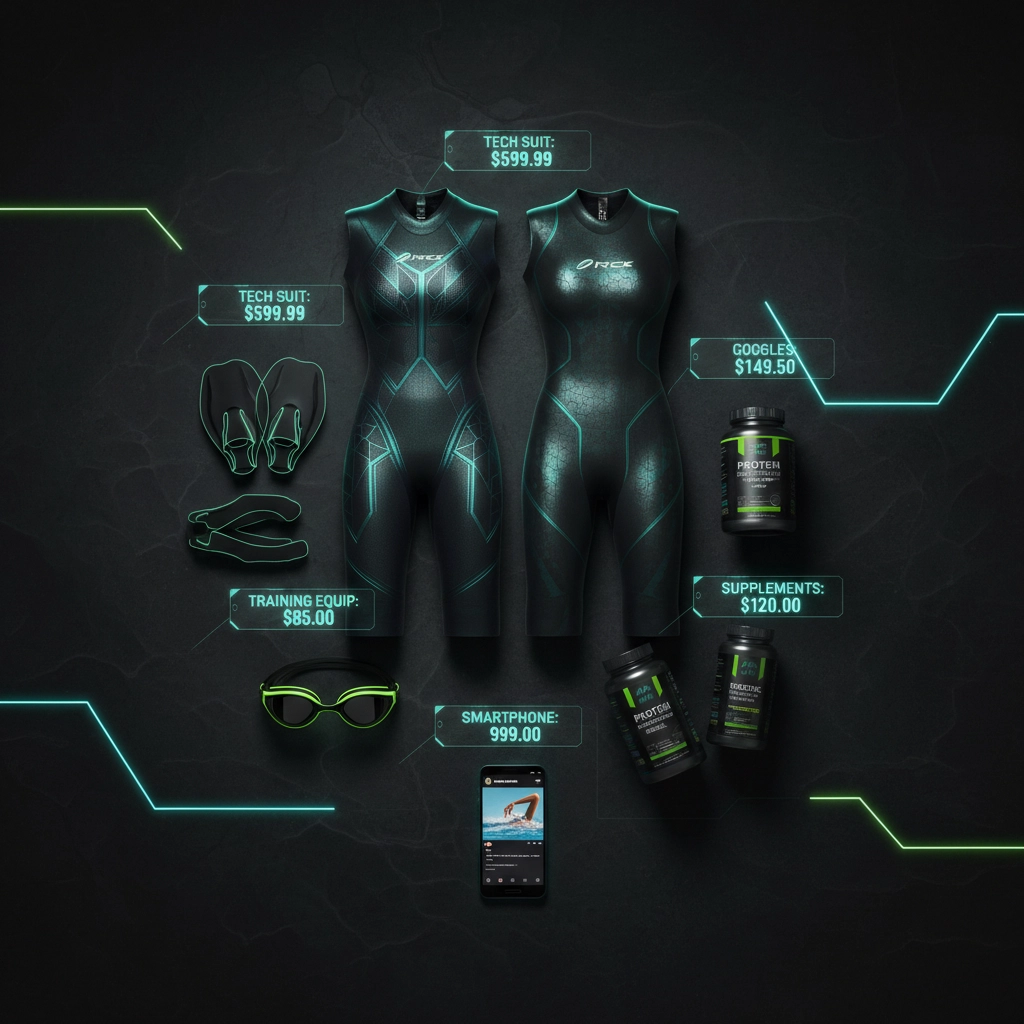
Tech Suit Partnerships: High-end racing suits can cost $400-600 each. A deal providing multiple suits throughout a season easily exceeds the reporting requirement.
Training Equipment Deals: Partnerships with companies providing kickboards, paddles, snorkels, and other training gear add up quickly.
Recovery and Nutrition Sponsorships: Supplements, recovery tools, and sports nutrition products create ongoing value that accumulates over time.
Summer Camp Employment: Many elite swimmers work at camps during the off-season. If your compensation includes both wages and promotional opportunities tied to your athletic status, it could trigger reporting requirements.
The Compliance Steps Swimmers Must Take
Staying compliant isn't just about knowing the rules: it's about building systems to track and report everything properly:
Document Everything: Keep detailed records of every agreement, including contracts, invoices, product receipts, and social media posts. Take screenshots of sponsored content and save all communication with brands or partners.
Calculate Total Value: Don't just count cash payments. Research the retail value of products received and include fair market value for services like training facility access or coaching.
Track Retroactively: Go through your records from junior year forward. Check old social media posts, email agreements, and product partnerships you might have forgotten about.
Report Within 30 Days: Once you sign any new deal that meets the threshold, you have exactly 30 days to report it to your school's compliance office.
Communicate with College Compliance Officers: Before enrolling at any four-year university, proactively contact their compliance office to ensure all your previous NIL deals are properly documented and cleared.
The Real Consequences of Non-Compliance
While the NCAA hasn't established specific penalties for failing to report NIL deals, the potential consequences are serious enough that no swimmer should risk non-compliance:
Eligibility Loss: Undisclosed deals could result in immediate ineligibility, meaning you lose the right to compete at the collegiate level before your career even begins.
Retroactive Penalties: If violations are discovered after you've already competed, your team could face sanctions including vacated wins or championship titles.
Recruitment Impact: College coaches are increasingly cautious about recruiting athletes with unclear NIL histories. Non-compliance could eliminate you from consideration entirely.
Legal and Financial Complications: Improper NIL arrangements could create tax implications and legal issues that extend far beyond athletics.
State-by-State Variations Swimmers Need to Know
Currently, at least 40 states allow high school NIL earning, but the specific regulations vary significantly. Swimmers who compete nationally need to understand how different state rules affect their compliance obligations.
Some states require additional reporting to high school associations, while others have different thresholds or disclosure timelines. If you compete across state lines regularly, you might be subject to multiple reporting requirements.
Building Your NIL Compliance System
Smart swimmers are getting ahead of potential problems by creating robust tracking systems:
Create a NIL Deal Database: Use a simple spreadsheet or app to track every deal, including dates, values, deliverables, and reporting status.
Set Calendar Reminders: Mark 30-day reporting deadlines for every new agreement to ensure you never miss a deadline.
Establish a Paper Trail: Keep both digital and physical copies of all NIL-related documents. Cloud storage ensures you can access records from anywhere.
Regular Compliance Reviews: Schedule quarterly reviews of your NIL activities to ensure everything is properly documented and reported.
Taking Action to Protect Your Future
The $600 NIL reporting requirement isn't going away, and ignorance isn't a defense when it comes to eligibility violations. Swimmers who want to compete at the collegiate level must take this seriously starting now.
Begin by auditing all your current and past NIL activities. If you discover unreported deals, contact a compliance professional immediately to understand your options for rectifying the situation.
For swimmers still building their recruiting profiles and looking to maximize their visibility while staying compliant, platforms like Recruit My Game offer tools to showcase your achievements professionally while maintaining clear documentation of your athletic journey.
The NIL landscape offers incredible opportunities for swimmers to build their personal brand and generate income from their athletic achievements. But those opportunities come with responsibilities that could impact your entire competitive future. Understanding and following the $600 reporting requirement isn't just about compliance: it's about protecting the dreams you've worked so hard to achieve.
Don't let a missed form or forgotten deal derail your college swimming career. Take control of your NIL compliance today, and swim toward your goals with confidence.