
"I'll just wait until I’m a senior. If I’m good enough, they’ll find me."
It’s a phrase heard in high school locker rooms across the country, and quite frankly, it’s the fastest way to get left behind. In today’s digital age, the "if you build it, they will come" strategy is officially dead. College coaches are operating on a timeline that moves significantly faster than most families realize. In fact, by the time most athletes start thinking about their recruiting profile, the coaches they want to play for have already filled half their roster spots for that class.
At Recruit My Game, we see this disconnect every day. The recruiting process isn't a single event; it's a four-year marathon. If you want to play at the next level, you need to understand the grade-by-grade roadmap that college coaches actually follow: not the one you hope exists.
The Myth of the "Late Bloomer"
While there will always be stories of the kid who grew six inches as a senior and landed a Division I scholarship, those are the exceptions, not the rule. For 99% of student-athletes, the "right" time to start was yesterday.
Coaches at the collegiate level are essentially talent scouts and project managers. They are looking for athletes who are not only physically gifted but also organized, academically stable, and proactive. When you wait until your senior year to reach out, you’re telling a coach that you aren’t prepared.

Freshman Year (Grade 9): The Foundation Year
Freshman year isn't about getting offers; it's about getting on the radar. Coaches aren't allowed to call you yet (depending on the sport and division), but they are absolutely watching.
What You Should Be Doing:
Focus on Grades: This is the most important "recruiting" task you have. A coach can’t recruit you if you aren't eligible. Your GPA starts the moment you step into your first high school class.
Build Your Digital Footprint: Start a basic profile on a platform like Recruit My Game. You don’t need a five-minute cinematic masterpiece yet, but you do need a place where a coach can find your height, weight, and stats if they see your name on a tournament roster.
Understand the NCAA Eligibility Center: Familiarize yourself with the core course requirements.
The Coach’s Perspective: "I’m looking for freshmen who are dominating their age group and showing maturity. I’m putting them on a 'watch list' to see how they develop over the next three years."
Sophomore Year (Grade 10): The Scouting Radar
Sophomore year is when the engine starts to warm up. This is the year you move from "potential" to "prospect."
What You Should Be Doing:
Create Your First Highlight Reel: By now, you should have enough film from freshman year and summer ball to put together a 60-second "best of" clip.
The June 15th Milestone: For most NCAA Division I and II sports, June 15th after your sophomore year is the magic date. This is when coaches can legally initiate direct communication (calls, texts, and emails).
Research Schools: Don't just look at the big names. Use the Recruit My Game features to research programs that fit your academic goals and skill level.
The Coach’s Perspective: "Sophomore year is when I start categorizing players. Are they D1, D2, or D3? I’m looking at their growth: both physically and in their skill set."
Junior Year (Grade 11): The Heavy Lifting
If recruiting were a movie, Junior year is the high-stakes climax. This is the year where the majority of commitments happen for high-level programs. If you aren't actively talking to coaches by the middle of your junior year, you need to hit the gas pedal immediately.
What You Should Be Doing:
Proactive Outreach: Don't wait for them to find you. Send personalized emails to coaches at your target schools. Include a link to your Recruit My Game profile.
Schedule Unofficial Visits: Get on campus. See the facilities. Meet the players.
Update Your Film Monthly: Coaches want to see your most recent progress. An old video from freshman year is useless to a coach trying to offer you a scholarship today.
Narrow Your List: Start with 30-40 schools and try to narrow it down to a top 10 by the end of the year.
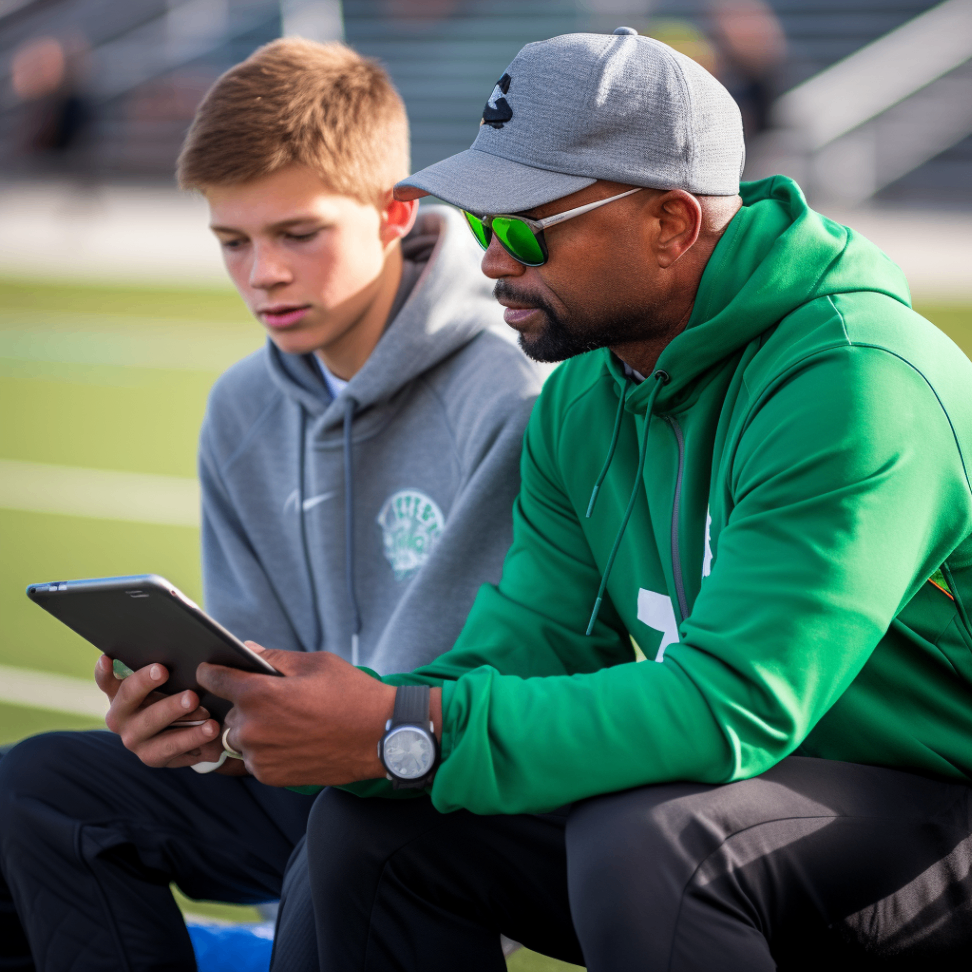
The Coach’s Perspective: "This is when I’m making my offers. I’m watching how you handle pressure and how you interact with your teammates. I’m also checking your social media to make sure you won't be a liability to my program."
Senior Year (Grade 12): The Finish Line
For many, senior year is about making the final decision. However, if you’re a "late starter," this is your "two-minute drill." You have to be perfect with your execution.
What You Should Be Doing:
Finalize Your Academic Profile: Ensure your transcripts and test scores (if required) are sent to the NCAA/NAIA Eligibility Centers.
Official Visits: These are the visits the school pays for. If you’re invited on an official visit, you are a high-priority target.
Look at Alternative Paths: If the D1 offers didn't come, look at D2, D3, NAIA, or Junior Colleges. Many great athletes find success at "smaller" schools and even transfer up later.
Check Out Specialized Resources: If you’re still looking for a home, look into the Recruit My Game resources to see how to pivot your strategy.

The Coach’s Perspective: "By senior year, I’m looking for 'fillers' for my remaining spots. I’m looking for high-character kids who can come in and contribute immediately or provide depth."
Why Different Sports Have Different Timelines
It’s important to note that a "standard" timeline varies by sport.
Women’s Sports: Elite women’s recruiting (like Soccer or Volleyball) often moves much faster. Some programs are scouting 8th and 9th graders aggressively.
Men’s Sports: Football and Baseball tend to follow the junior-heavy timeline, though "blue-chip" prospects are identified much earlier.
The "June 15th" Rule: Most D1 and D2 coaches can't talk to you until June 15 after your sophomore year, but you can talk to them. You can send them emails, updates, and links to your profile. They just can't reply yet.
3 Things Coaches Wish You Knew About Timing
They Want to See Your Journey: A coach doesn’t just want to see how good you are today; they want to see how much you’ve improved over three years. This is why having a consistent, long-term profile is so valuable.
Academics Open Doors: We can't say it enough. If a coach is choosing between two players of equal talent, they will always take the one with the higher GPA because it’s one less thing they have to worry about.
Video is Your Resume: In 2026, if you don't have video, you don't exist. Coaches don't have the budget to fly across the country to see every kid play. They use your video to decide if it's worth the trip.
How to Get Started Today
Whether you are a freshman just starting out or a junior realizing you’re a bit behind, the best thing you can do is take control of your narrative. Don't leave your future up to a scout "happening" to be at your game on a rainy Tuesday night.
Create Your Profile: Visit recruitmygame.com to build a professional, scout-ready page.
Organize Your Data: Get your stats, coach contacts, and academic info in one place.
Be Relentless: Use our pricing plans to find the level of support that fits your needs, whether you want a basic free profile or a pro-level account with unlimited video uploads.
The recruiting window is shorter than you think. Don't wait for the window to close before you try to jump through it.
Ready to get found? Meet with us or start your profile today. Your future self will thank you.